
It’s a paradox that baffles many. Finland, a land of long, dark winters, icy lakes, and isolated communities, consistently ranks #1 in global happiness surveys. How can a country where daylight sometimes lasts only a few hours survive—and thrive—in a way that makes its people so content?
The answer isn’t in money, flashy technology, or endless entertainment. It’s in something subtler: a combination of culture, social trust, connection to nature, and a philosophy of life that embraces simplicity, resilience, and togetherness.
Winter, Darkness, and the Finnish Spirit
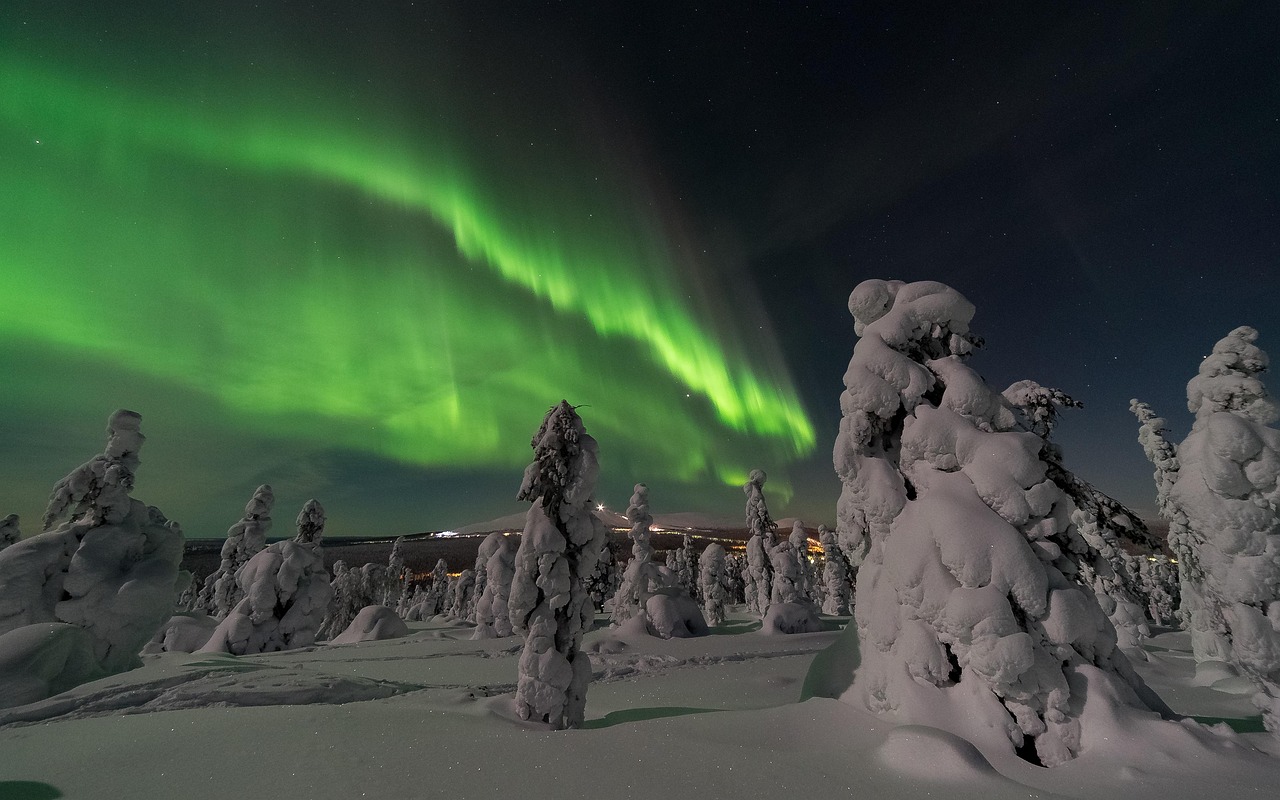
Finland’s winters are long, harsh, and dark. In the northernmost regions, the sun may barely rise for weeks, leaving cities and villages bathed in twilight. Yet, instead of succumbing to gloom, Finns have embraced the darkness.
People light candles, gather in warm homes, and celebrate cozy traditions like “kaamos”, a period of deep winter reflection. They learn to cherish small pleasures: a hot cup of coffee, a warm sauna, a walk in the snow-covered forest. Darkness is not just endured—it’s woven into life in a way that nurtures resilience and mindfulness.
This resilience is captured in a uniquely Finnish concept: sisu. There’s no perfect translation, but it roughly means a quiet determination, grit, and courage to keep going even when conditions are tough. Sisu isn’t heroic in a flashy way—it’s everyday heroism: surviving winter, facing challenges calmly, and persevering with patience.
Trust: The Invisible Glue of Happiness
Another cornerstone of Finnish happiness is trust. Finns generally trust each other, trust their government, and trust society’s systems. This trust manifests in surprising ways:
Wallets left on buses often return untouched.
People leave babies napping outdoors while parents shop or socialize.
Public spaces are safe, and personal boundaries are respected without constant policing.
Trust reduces stress. You don’t have to constantly guard against theft, corruption, or dishonesty. It creates a sense of social security, letting people focus on living rather than surviving.
Education That Inspires, Not Stresses

Finland’s education system is another pillar of happiness. Unlike many countries, Finnish schools focus less on competition and more on curiosity, equality, and support. Students start school later, have shorter days, and experience less homework pressure. Teachers are respected professionals, and the system trusts them to teach without micromanagement.
This approach fosters independence, creativity, and confidence. Children grow up feeling capable and trusted, a mindset that carries into adulthood. The result: adults who are generally well-adjusted, content, and resilient.
Connection to Nature
Finland’s happiness is deeply intertwined with its environment. With over 188,000 lakes and vast forests, Finns have ready access to nature, even in urban areas. Hiking, swimming, skiing, and ice fishing aren’t just hobbies—they are part of life.
Nature provides calm, perspective, and restoration. Studies show that spending time outdoors improves mental health, reduces stress, and strengthens community bonds. For Finns, lakes, forests, and even urban parks are everyday refuges that contribute silently, yet profoundly, to their well-being.
Saunas, Community, and Everyday Rituals
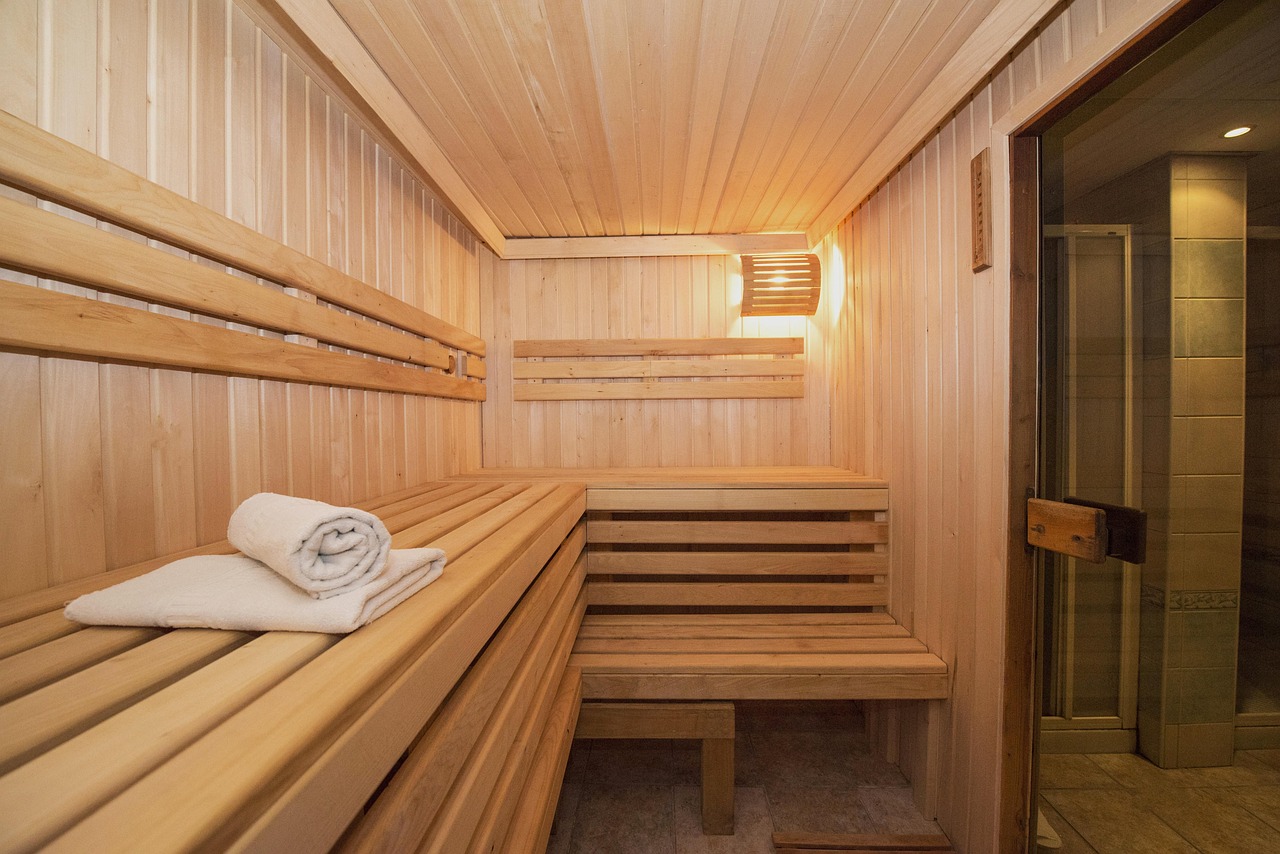
The Finnish sauna is more than a bath—it’s a ritual of wellness and social bonding. Families, friends, and even colleagues gather in saunas, sharing quiet conversation or comfortable silence. It’s a space to release stress, reflect, and connect.
These rituals extend beyond saunas. Simple traditions—coffee breaks with friends, long summer evenings at lakesides, or communal festivals—reinforce social cohesion and belonging, crucial ingredients in happiness.
Minimalism and Satisfaction
Finns tend to embrace simplicity. Life isn’t about conspicuous wealth or endless consumerism; it’s about function, comfort, and meaning. Homes are cozy, possessions are few but valued, and experiences often matter more than things.
This minimalist approach reduces anxiety and fosters contentment. People focus on what is important: relationships, health, nature, and personal growth. In a world that constantly pushes for more, Finland offers a counterpoint: more doesn’t equal happier—connection and balance do.
Lessons from Finland
Finland’s top happiness ranking isn’t a fluke. It’s the result of:
Resilience in the face of natural hardship (sisu and winter adaptation)
High social trust and safe communities
Education that fosters independence and well-being
Access to nature and outdoor life
Rituals, traditions, and a culture of mindfulness
Simplicity, minimalism, and meaningful living
It’s a holistic system. Each factor reinforces the others, creating an environment where happiness isn’t a pursuit—it’s a natural outcome of daily life.
The Paradox Resolved
So, how can a country with long, cold winters, isolated communities, and dark skies be the happiest in the world?
Because Finland teaches us that happiness doesn’t depend on perfect weather, constant light, or endless activity. It grows from trust, community, resilience, connection to nature, and a mindful approach to life. It’s quiet, subtle, and deeply human—just like Finland itself.
In a world obsessed with material success and constant stimulation, Finland offers a reminder: happiness isn’t about escaping hardship. Sometimes, it’s about learning to thrive within it, embracing simplicity, and seeing joy in the small, luminous moments of everyday life.