
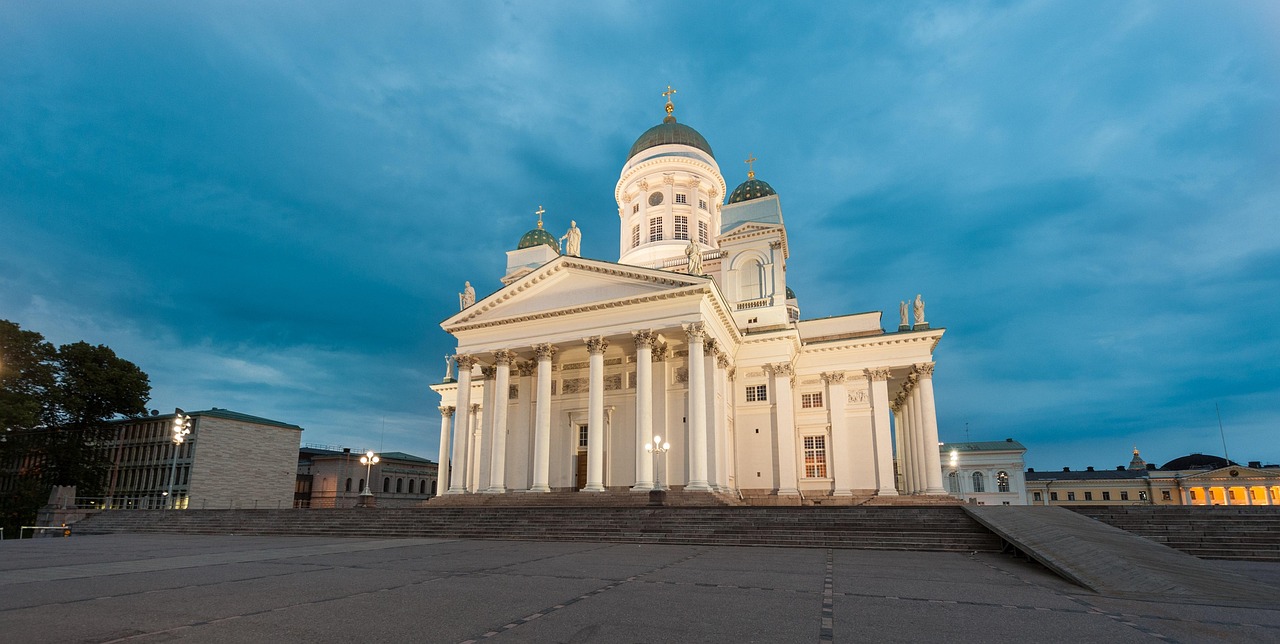
Helsinki has always been a city that moves quietly, almost humbly, along the edge of the Baltic Sea. Unlike capitals that shout their presence with towering skyscrapers or neon lights, Helsinki whispers its changes. Streets are calm, public transport hums reliably, and people move with a quiet purpose. Yet, something remarkable is happening in the city right now—transformations that are subtle, thoughtful, and drawing attention from residents and visitors alike.
From new urban designs and green spaces to cultural reinventions and technological innovations, Helsinki is quietly redefining what it means to be a modern European capital. People are noticing, not because the city is trying to impress, but because the changes are meaningful.
The City Is Becoming Human-Centered
One of the most noticeable shifts in Helsinki is its focus on human-centered urban planning. New neighborhoods and redevelopment projects are prioritizing walkability, public spaces, and community life over car traffic. Streets are narrower, bike lanes wider, and plazas are designed for people, not just vehicles.
In Kallio and other formerly industrial neighborhoods, old factories and warehouses are being converted into cafés, co-working spaces, and cultural hubs. Residents are invited into these spaces, not as consumers, but as participants in the life of the city. Helsinki is quietly teaching the world that cities can be comfortable, functional, and alive—without being loud or chaotic.
Green Spaces Are Taking Over
Helsinki’s commitment to nature is becoming impossible to miss. The city is planting urban forests, restoring wetlands, and connecting parks to the urban core with scenic walking and biking paths. Even in the densest districts, people can escape into green spaces within minutes.
This isn’t just about aesthetics. The city is addressing climate resilience, air quality, and mental health in one elegant strategy. Residents notice that the air feels cleaner, that summer heat is buffered by trees, and that even short walks in nature provide a sense of calm. This attention to green living has made Helsinki a reference point for cities around the world trying to balance urban life with environmental care.
Culture and Innovation Blend Seamlessly
Helsinki is also quietly reinventing its cultural landscape. The Oodi Library, which opened a few years ago, has become more than a library—it’s a social hub, a workspace, a place for creativity, and a symbol of Helsinki’s forward-thinking values. Similarly, museums and galleries are embracing technology to make culture accessible and interactive, without sacrificing the human touch.
Innovation isn’t limited to culture. The city is testing smart public transport, digital services, and energy-efficient buildings, all integrated seamlessly into daily life. Residents notice these changes not as flashy announcements, but in the ease and efficiency they bring to everyday routines.
Housing That Encourages Community
Another significant change in Helsinki is in housing design. New projects are emphasizing mixed-use buildings, communal spaces, and sustainable construction. Instead of isolating people in towering apartments, Helsinki is fostering small-scale communities within neighborhoods.
Residents notice subtle shifts: neighbors chat in shared courtyards, parents watch children play in green spaces just outside their door, and community events are easier to organize. These changes are quietly reshaping social life, making the city feel less anonymous and more connected.
Technology With a Human Touch
In Helsinki, technology isn’t about flashy gadgets—it’s about improving life. Public services are increasingly digital, yet easy to use. Citizens can manage healthcare appointments, parking, permits, and public transport with a few taps, reducing stress and saving time.
Even environmental monitoring has a human element: sensors track air quality and water cleanliness, but the city shares this information openly, allowing residents to participate in protecting their environment. Helsinki demonstrates that tech can be subtle, helpful, and citizen-focused, rather than overwhelming.
Why People Are Paying Attention
So why does this quiet transformation matter, and why are people noticing? Because Helsinki is showing that change doesn’t have to be loud to be powerful. Unlike cities chasing rapid growth or dramatic landmarks, Helsinki is focusing on long-term quality of life.
People notice when:
Streets feel safer and friendlier.
Green spaces invite relaxation, not just sightseeing.
Technology makes daily life easier without intruding.
Communities feel more connected, not isolated.
Helsinki is proving that subtlety can be revolutionary. Residents, urban planners, and even international observers are watching because the city offers a model for sustainable, human-centered urban growth.
The Human Side of Change
What makes Helsinki’s transformation so compelling is that it’s about people, not projects. It’s about children learning to ride bikes safely, elderly citizens enjoying parks, young adults finding coworking spaces in former factories, and neighbors sharing quiet moments in communal courtyards.
The changes are tangible but understated. They don’t make headlines like skyscraper openings or massive sports events—but they touch life deeply. Every street redesign, every new park, every cultural initiative is a gesture toward making life better, simpler, and more connected.
A City You Notice Slowly, but Deeply
Helsinki is the kind of city that doesn’t scream for attention. Its beauty and innovation unfold quietly, like watching the tide come in. Those who pay attention notice: a city can be modern, efficient, sustainable, and still human.
That’s why people are watching Helsinki. Not for the flash, not for the spectacle—but for the subtle, thoughtful transformation that touches everyday life. In a world where change is often noisy, Helsinki reminds us that slow, reflective, and human-centered progress can be the most remarkable of all.
Closing Thoughts
Helsinki’s story is a lesson in quiet power. Its streets, parks, libraries, and neighborhoods are evolving—not for tourists or headlines—but for residents, for communities, for people who live there every day.
Change doesn’t have to be dramatic to be meaningful. And in Helsinki, you can see it in action: subtle, smart, and profoundly human.